Emergencies can occur at any moment, usually when we least expect them. Whether it's a small injury or a significant clinical situation, having the knowledge and skills to react properly can suggest the distinction in between life and fatality. In this thorough guide, we're diving right into the world of first aid-- particularly, efficient first-aid training techniques that prepare you for emergencies.
First help is not practically wrapping injuries; it incorporates a wide array of skills targeted at preserving life, avoiding more injury, and promoting recovery. With the appropriate first help course, anybody can become an important asset in emergencies. In this article, we will certainly explore various first-aid training methods and their importance, ensuring that you are well-prepared for any situation.
Understanding the Significance of First Aid Training
What is Initial Aid?
First help describes the prompt assistance offered to somebody struggling with an illness or injury until professional clinical aid arrives. It includes fundamental procedures created to maintain an individual's condition and avoid additional complications.
Why is First Aid Important?
Preservation of Life: Quick action can conserve lives. Prevention of Further Injury: Proper strategies can avoid worsening conditions. Promoting Recovery: Early treatment help in faster recovery. Building Confidence: Recognizing how to respond lowers panic during emergencies.The Duty of First Aid Courses
A well-structured first aid course teaches important abilities such as CPR (Cardiopulmonary Resuscitation), injury management, choking response, and extra. These training courses often finish in obtaining a first help certificate, which confirms your proficiency.
Types of First Aid Educating Available
Basic First Aid Courses
Basic programs cover essential subjects including:
- Managing cuts and scrapes Treating burns Recognizing indications of shock
Advanced First Aid Courses
These are for people seeking sophisticated expertise:
- Management of extreme bleeding Use of defibrillators Advanced CPR techniques
Specialized Courses
Mental Health First Aid: Concentrate on assisting people experiencing psychological health crises. Childcare First Aid: Customized for those collaborating with babies and children. Manual Handling Training: Educates safe lifting techniques to avoid injuries.Choosing the Right First Aid Program Near You
Identifying Your Needs
When searching for a "first aid course near me," consider what you intend to learn:
- Are you preparing for a particular task (like mentor or medical care)? Do you need accreditation for work purposes?
Researching Options
Look right into local suppliers offering recognized courses:
- Check reviews and testimonials. Ensure they cover pertinent subjects like CPR training or mental health initial aid.
Certifications and Accreditations
Confirm that your picked course results in recognized qualifications like HLTAID011 Supply First Aid or HLTAID009 Offer Cardiopulmonary Resuscitation.
Preparing for Emergency situations with Efficient First-Aid Training Strategies
Having useful understanding is crucial in emergency situations. Right here's how effective first-aid training furnishes you:
Hands-On Practice: The majority of courses include hands-on practice sessions where individuals mimic real-life scenarios. Interactive Learning: Engaging activities advertise better retention than easy learning methods. https://travisqebw870.bravesites.com/entries/general/Guidebook-Handling-Training-Necessary-Skills-for-Workplace-Safety-And-Security Qualified Instructors: Learning from experienced experts makes certain accurate understanding transfer.Core Elements of First-Aid Training Programs
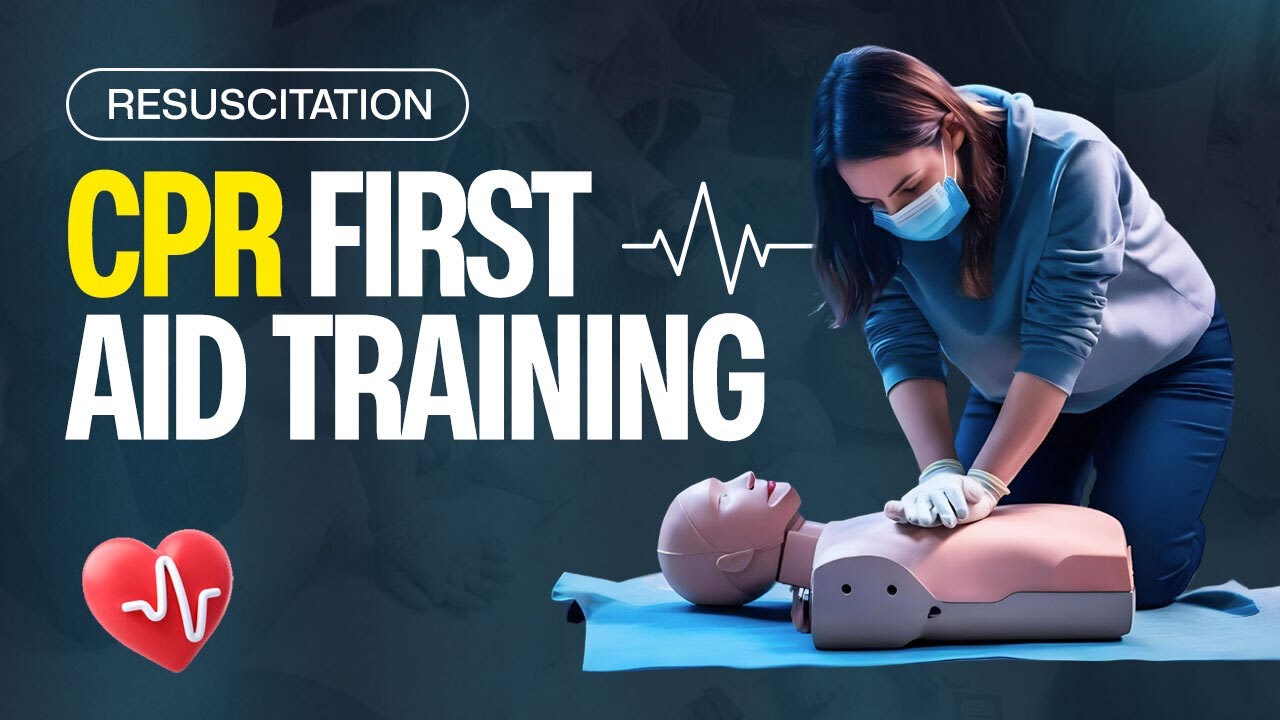
CPR Techniques (What Does CPR Stand For?)
CPR means Cardiopulmonary Resuscitation, a lifesaving technique beneficial in emergency situations when a person's breathing or heartbeat has stopped.
Basic Steps in Doing CPR:
Call emergency services immediately. Place your hands on the facility of the person's chest. Push hard and fast (at the very least 100 compressions per minute). Provide rescue breaths if trained to do so.DRSABCD Action Plan
The DRSABCD approach is crucial:
D - Danger: Make sure safety prior to approaching the victim. R - Action: Examine if the person is responsive by talking noisally or trembling them gently. S - Send for Help: Call emergency solutions if needed. A - Air passage: Open up the airway by turning their head back slightly. B - Breathing: Look, pay attention, and really feel for breathing. C - Compressions: Begin chest compressions otherwise breathing normally. D - Defibrillation: Make Use Of an AED if available.Mental Health First Aid Strategies
In today's globe, mental health issues are increasingly widespread; hence recognizing exactly how to assist a person in distress is vital.
Recognizing Signs
Understanding signs such as too much worrying, withdrawal from activities, or extreme mood modifications are part of effective psychological health first aid training.
Approaching Someone in Crisis
Approach smoothly and pay attention proactively without judgment. Offer assistance but don't press them into sharing more than they fit with. Encourage expert help when necessary.FAQs regarding First-Aid Training
1) How much time does a first-aid certification last?
Most certifications last around 3 years prior to calling for revival through recertification courses.
2) What is consisted of in a typical first-aid course?
A regular course includes CPR training, injury treatment, dealing with burns and cracks, replying to choking events, and more.
3) Where can I discover first-aid training courses near me?
You can look online using terms like "first aid course near me" or check regional community centers and hospitals that supply training sessions.
4) Is there online first-aid training available?
Yes! Many companies provide detailed on-line first-aid courses that include interactive modules and assessments.
5) Can I take a specialized first-aid course?
Absolutely! Depending on your demands-- such as child care setups or outdoor activities-- there are specialized programs available tailored to particular situations.
6) What must I do after completing my first-aid course?
After completion, practice routinely with buddies or relative to maintain your abilities sharp; take into consideration offering as well!
Conclusion
In final thought, mastering efficient first-aid approaches prepares individuals to take care of emergencies with confidence and competently while reinforcing area strength during dilemmas-- whether you're responding at home or out in public spaces such as institutions or workplaces.
Taking action by enlisting in an appropriate first-aid training course aids equip you not just with crucial lifesaving skills however likewise promotes satisfaction knowing that you're ready when it counts most! So go on-- take that step in the direction of being ready today!
By investing time into understanding these important principles bordering "Getting ready for Emergency Situations with Effective First-Aid Training Methods," you'll be well on your method towards coming to be an aggressive responder with the ability of making significant payments during important moments!